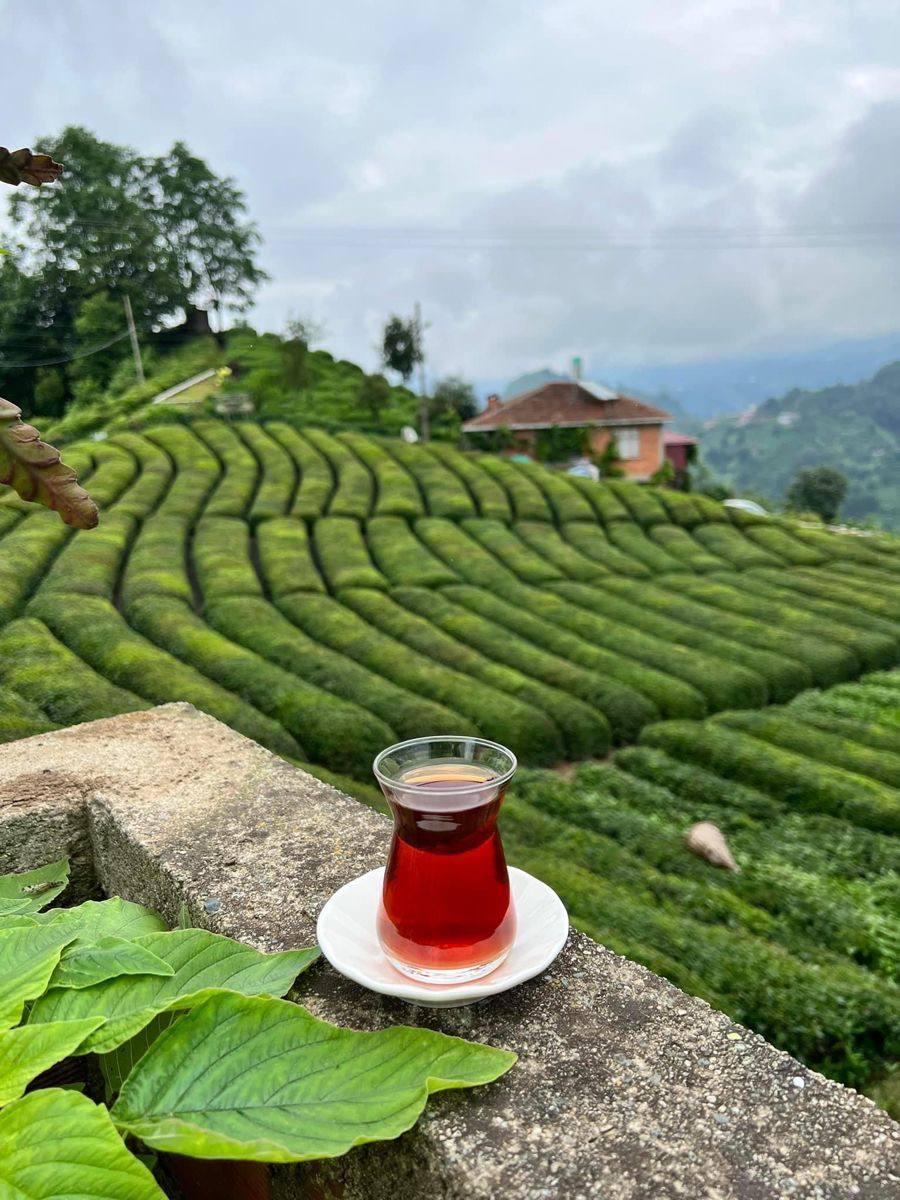
Persian Tea — Steam, Story, Hospitality
History & Gardens
From the misty slopes of Gilan and Lahijan, tea became Iran’s daily ritual—poured for guests, traded in bazaars, and stitched into poetry.
Late-19th-century plantings took root by the Caspian. Today, Iranian households still favor a samovar and glass cups, a color like ruby amber and an aroma that says “you’re home.”
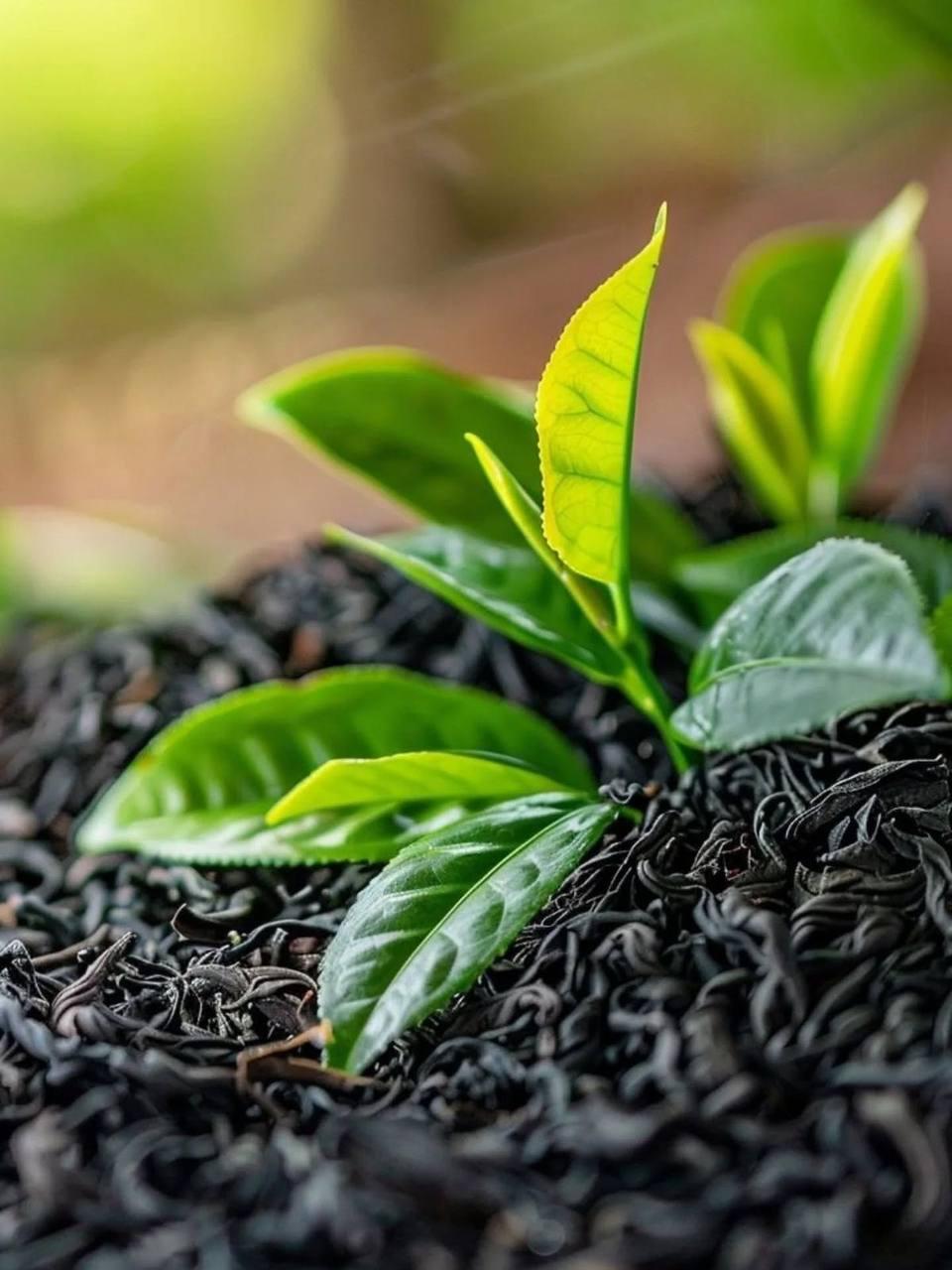
Color, Aroma, Balance
Quality & Terroir
Good Persian tea is clean and vivid: bright color, smooth body, and a nose that hints of citrus peel, dried flowers, or honeyed grain.
Blends may feature Assam depth, Darjeeling lift, or a whisper of bergamot or cardamom—but always with a gentle finish that welcomes a cube of sugar or a date.
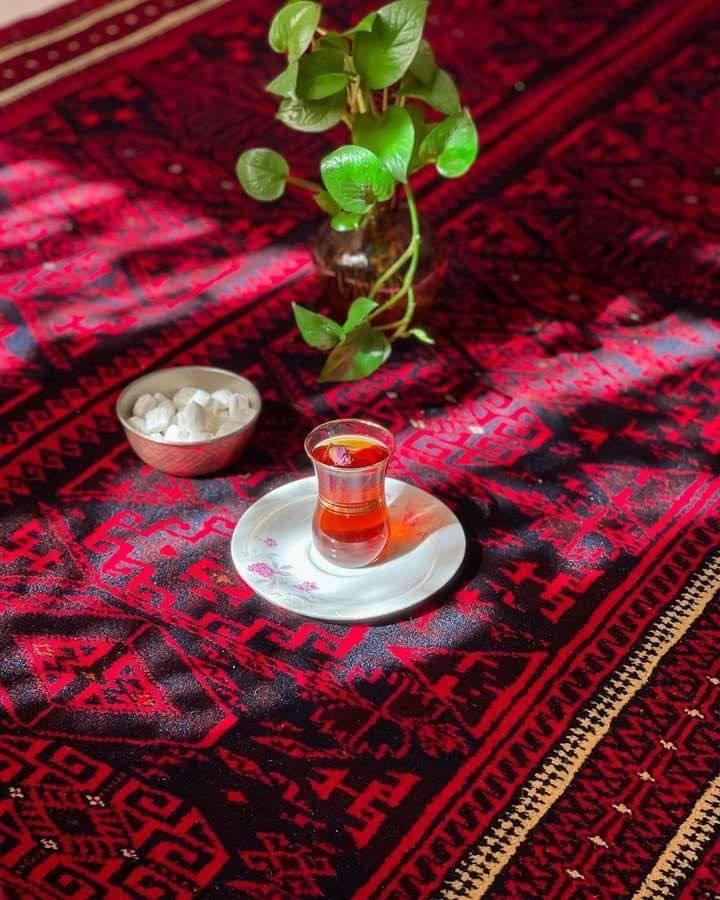
Brew with Heart
Brewing & Serving
Rinse the pot, add a spoon of tea per cup, and pour water just off the boil. Steep 5–7 minutes for a clear, fragrant liquor.
Serve in thin glass cups; sweeten with rock sugar, or pair with dates and nuts. For milk tea, brew stronger—Persian tea stays elegant, never harsh.