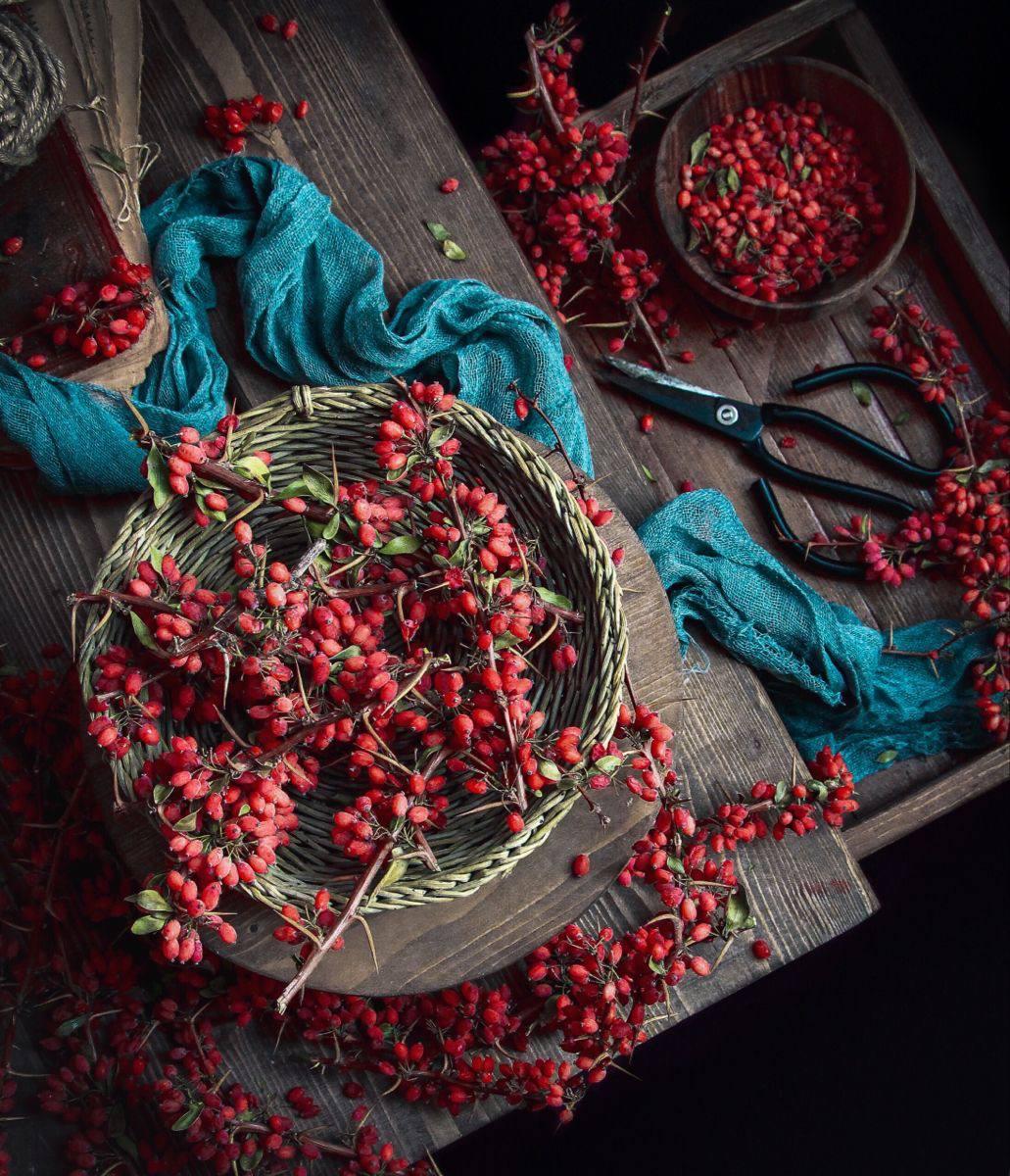
Zereshk — A Ruby Thread in Persian Cuisine
Heritage & Harvest
In Iran’s eastern highlands, thorny Berberis integerrima bushes ripen to a deep crimson each summer. For centuries, families have harvested these jewel-like berries, drying them gently in shade to preserve their color and bright, tart perfume.
From caravan trade routes to royal kitchens, zereshk has brought sparkle to rice dishes and stews — a balance of acidity and sweetness that defines many classic Persian plates.
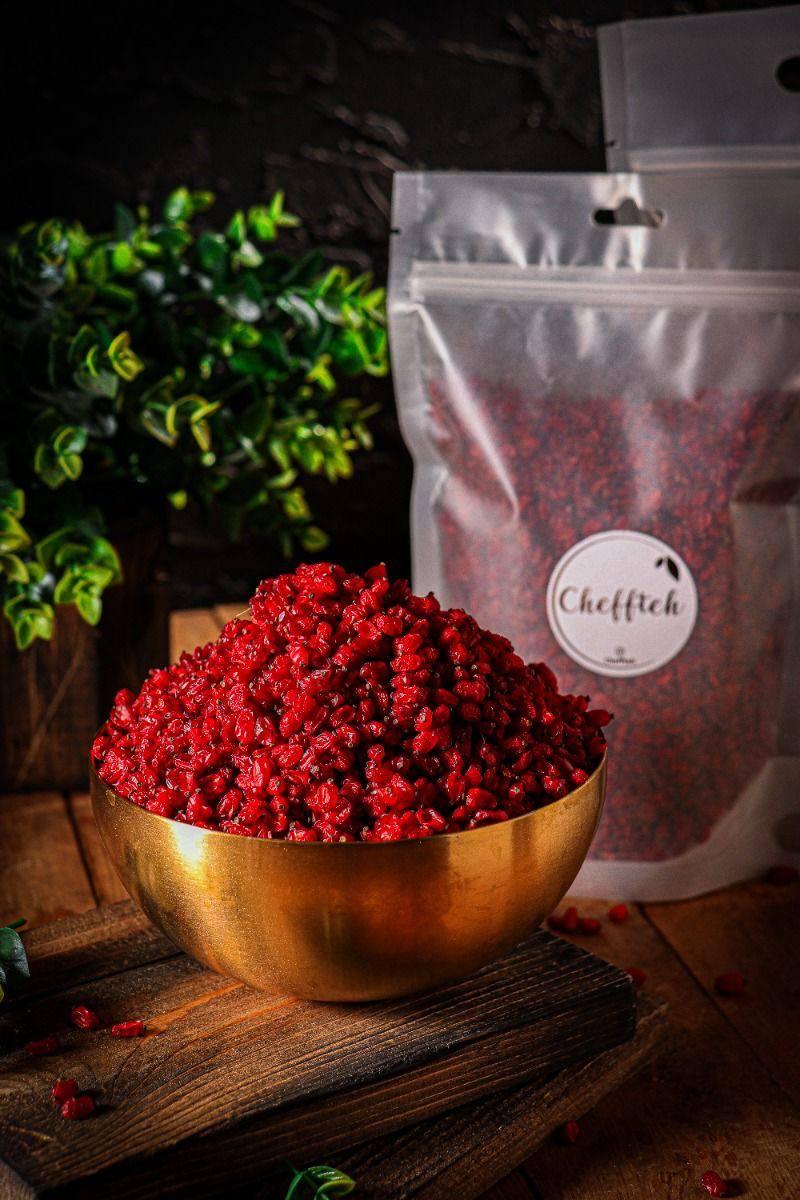
Bright Color, Clean Shine
Quality Markers
Premium Persian barberries are small, even, and vivid rubywith a glossy skin. They’re seedless (zereshk-e pufaki), naturally tart, and never sticky or oily. The best lots are shade-dried, free of stems and grit, and carry a fresh, wine-red aroma.
At ZARINÉ we source carefully graded berries with low moisture for longer shelf life and a clean, crisp pop of acidity in the pan.
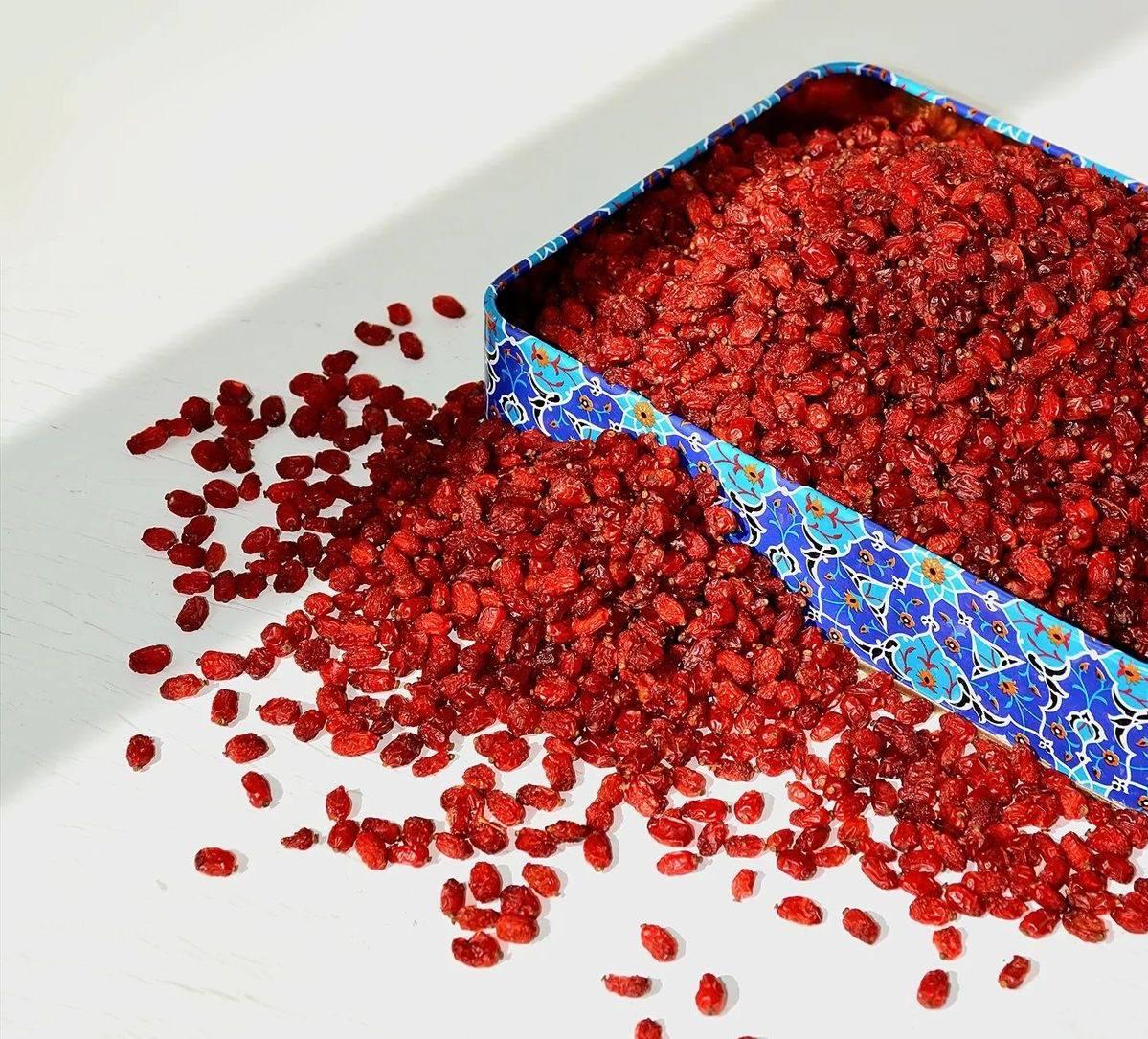
A Tart Spark — From Pantry to Plate
Serving Ideas
For Zereshk Polo, rinse briefly and soak 5–10 minutes. Sauté a knob of butter with a spoon of sugar (or honey), then toss the berries just until plump and glossy. Finish saffron rice with this ruby topping and toasted pistachios.
Try barberries in kuku sabzi, chicken glazes, jeweled pilafs, grain salads, yogurt dips (mast-o-zereshk), and even brownies for a lively sour-cherry note. Store airtight, cool and dark.